Posted on
4 August 2025
in
What Specifiers Need to Know About Green Roofs and Liquid Waterproofing
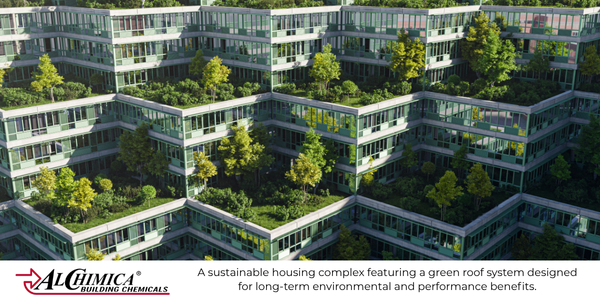
As sustainable construction becomes a core requirement, green roofs are gaining momentum due to their numerous environmental and performance benefits. Architects and specifiers are increasingly expected to integrate green infrastructure early in their designs, making the choice of waterproofing a critical consideration.
Why Green Roofs Are Gaining Ground
Green roofs reduce stormwater runoff, lower urban temperatures, improve air quality by absorbing pollutants and support biodiversity in densely built areas. They also offer thermal insulation benefits and protect the underlying roof structure by shielding it from ultraviolet exposure and temperature fluctuations.
With the recent heat wave across the UK demonstrating the increasing risks of urban overheating, the need for green infrastructure has never been clearer. Green roofs play a vital role in mitigating these temperature extremes, providing much-needed cooling and comfort in cities.
In the UK, green roofs are strongly encouraged through planning policies and sustainability frameworks such as BREEAM and the London Plan. These initiatives highlight green roofing as an effective means to meet environmental targets. For further insights on the urgent need for green infrastructure to address rising urban heat, see the article “Scorching heat highs show need for green infrastructure” from Roofing Today.
The Importance of Waterproofing
A reliable waterproofing membrane is essential for green roof success. It must be fully watertight, resistant to root penetration, highly durable and capable of covering complex details without failure.
Cold-applied liquid waterproofing systems are increasingly preferred in these applications. They provide seamless, fully bonded layers that adhere strongly to various substrates, reducing the risk of leaks at joints and detailing. This makes them particularly suitable for refurbishment projects and roofs with irregular geometries.
Best Practice in Specification
When specifying waterproofing for green roofs, it is important to ensure the system complies with relevant standards for long-term performance. This includes root resistance, often assessed following FLL guidelines, compatibility with protection layers and resistance to chemical and biological degradation. Correct integration with drainage, filtration and vegetation layers is also vital to ensure sustained performance.
Final Thoughts
Green roofs deliver significant environmental and performance advantages but rely on the right waterproofing decisions below the surface. Selecting and specifying a high-quality waterproofing system creates a secure foundation that helps these living roofs thrive under varied conditions.
Interested in specifying a green roof system? Visit our Contact us page or call us directly on +44(0)1437 563564.
If you found this information useful, share it with your network:
Facebook
Linkedin
Related Posts

The Hidden Cause of Roof Cracks
Thermal movement is one of the leading causes of roof cracks. Learn how expansion and contraction affect roofing systems and why accommodating movement is essential for long-term waterproofing performance.
22 July 2026

Net Zero Buildings and Roofing Performance
The UK Net Zero Carbon Buildings Standard is shifting the focus from design intent to measured building performance. Discover why roofing systems, durability and long-term performance are becoming critical factors in achieving net zero building goals.
1 June 2026

Protecting Buildings from Coastal Erosion
Coastal buildings face constant exposure to salt, moisture and erosion. Learn how waterproofing systems help protect structures and extend their lifespan in harsh marine environments.
4 May 2026

